
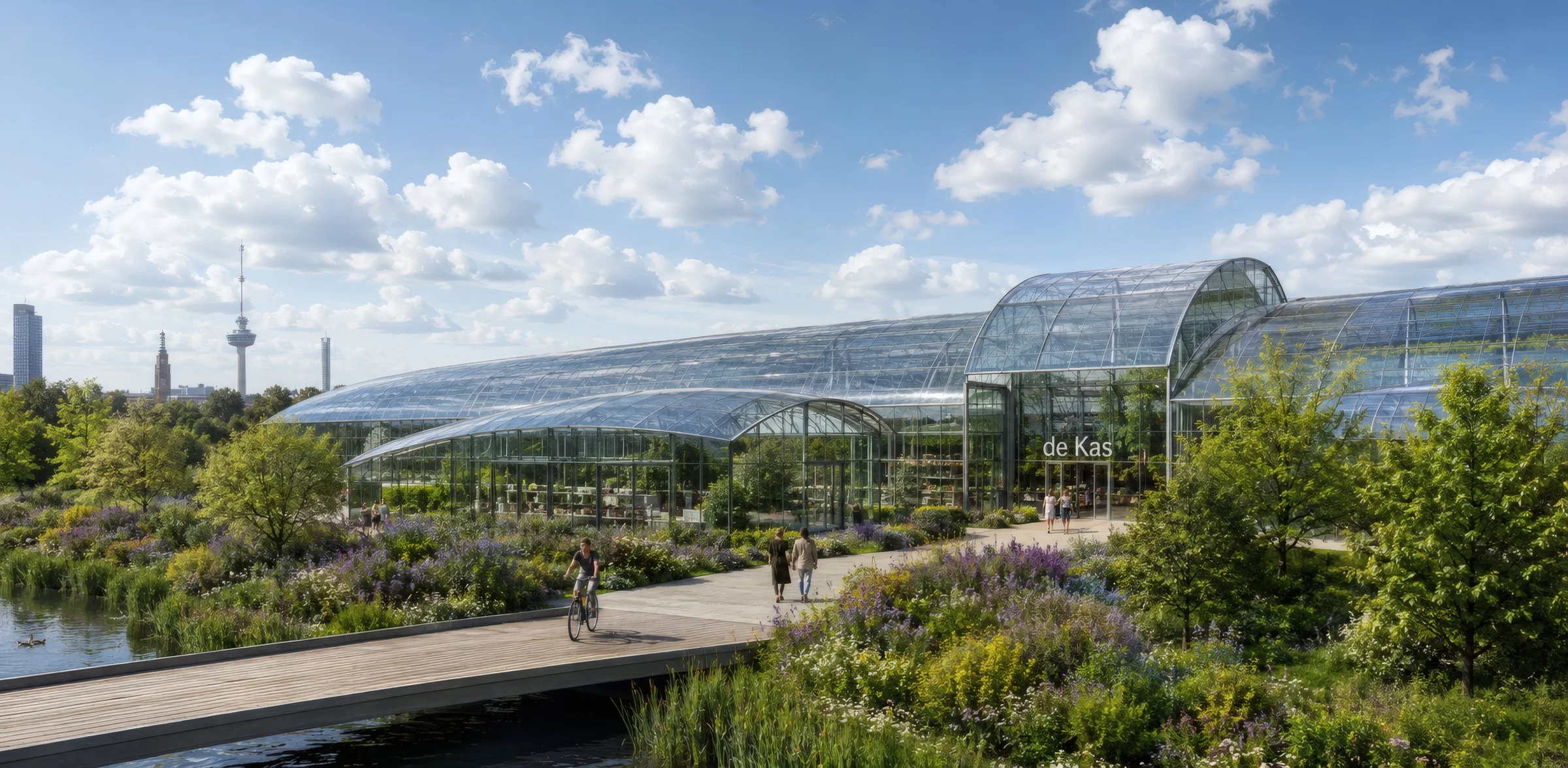
How it works
Polydome brings together polyculture, aquaponics and hydroponics under the same roof: a greenhouse powered by renewable energy, watered by rain, and maintained and upgraded by people.
Waste is reused to produce organic food with high yield per surface unit. A Polydome adapts to different environmental conditions, copes with scarcity of soil, and reconnects local producers and consumers.
It is largely self-supporting: most elements provide beneficial functions beyond marketable products, such as pollination, CO2, shading, heat and nutrient exchange. It can be installed in a tailored dome-shaped greenhouse or in conventional high-ceiling greenhouses.
Climate adaptability
Temperate
Arid
Tropical
Continental
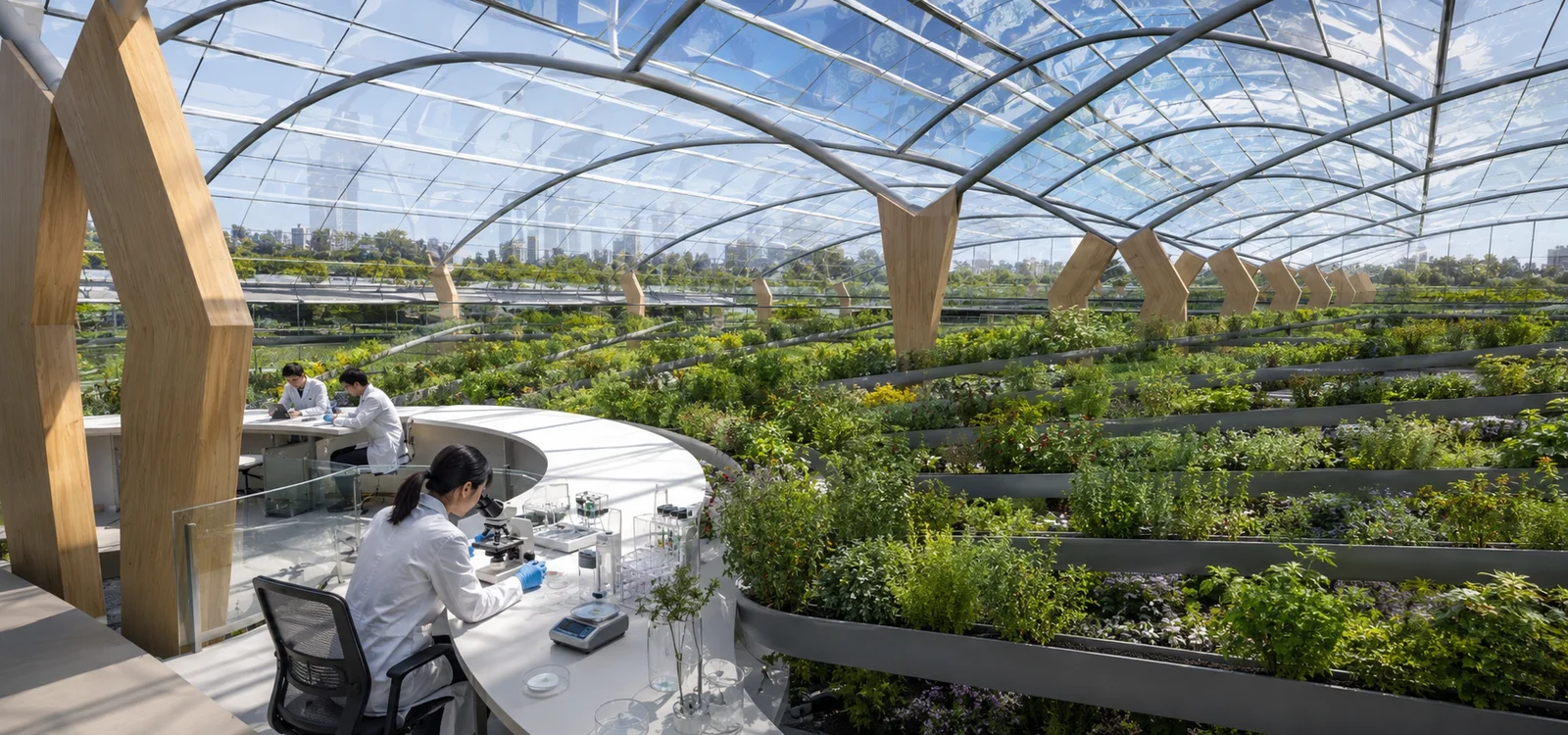
Active polycultures
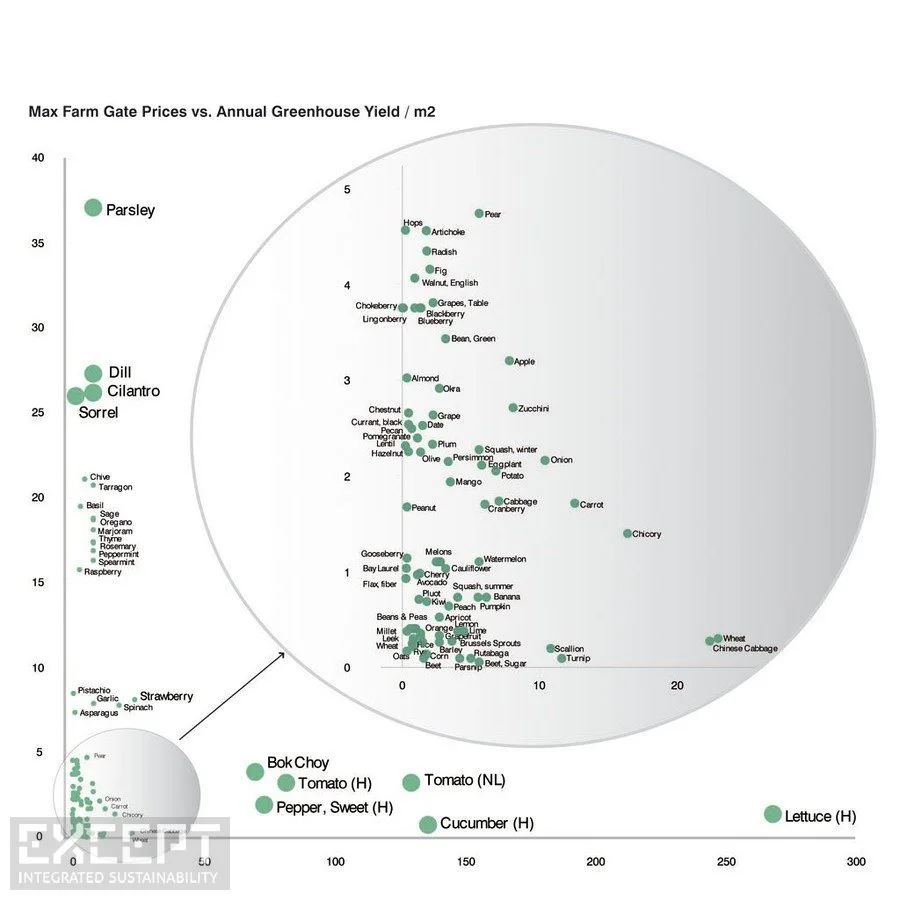
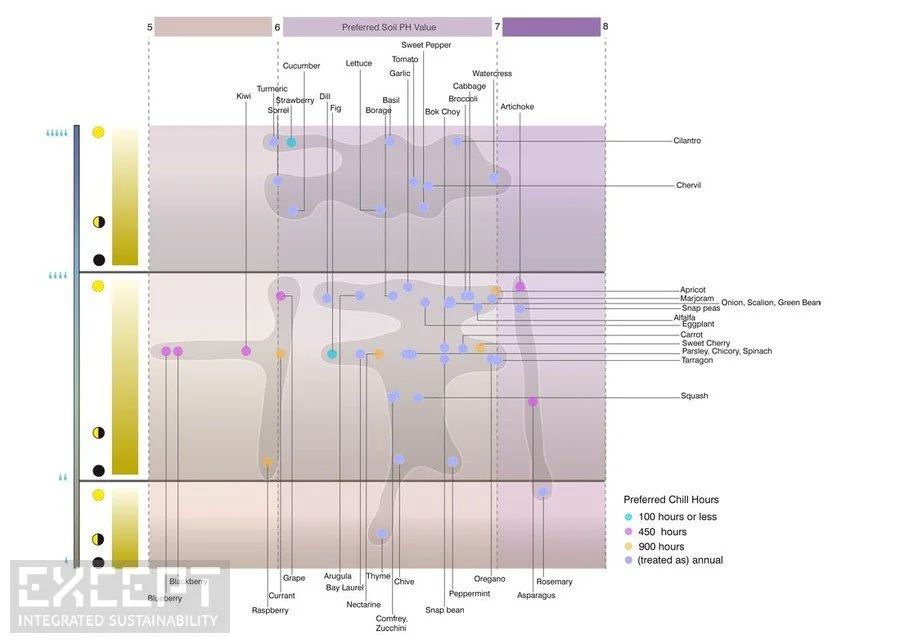
A Polydome uses groups of interacting plants that share space and nutrients to maximum effect. The symbiotic relationships were found through intensive research and are correlated in a database of more than 500 species. Species help each other by boosting growth and protecting against pests. Integrated Pest Management introduces beneficial insects.
The result is a healthy, self-maintaining soil ecosystem that is more resilient than single-crop production. Crop clusters are modular, like interchangeable building blocks, mixed and matched by desired output and local market demand.
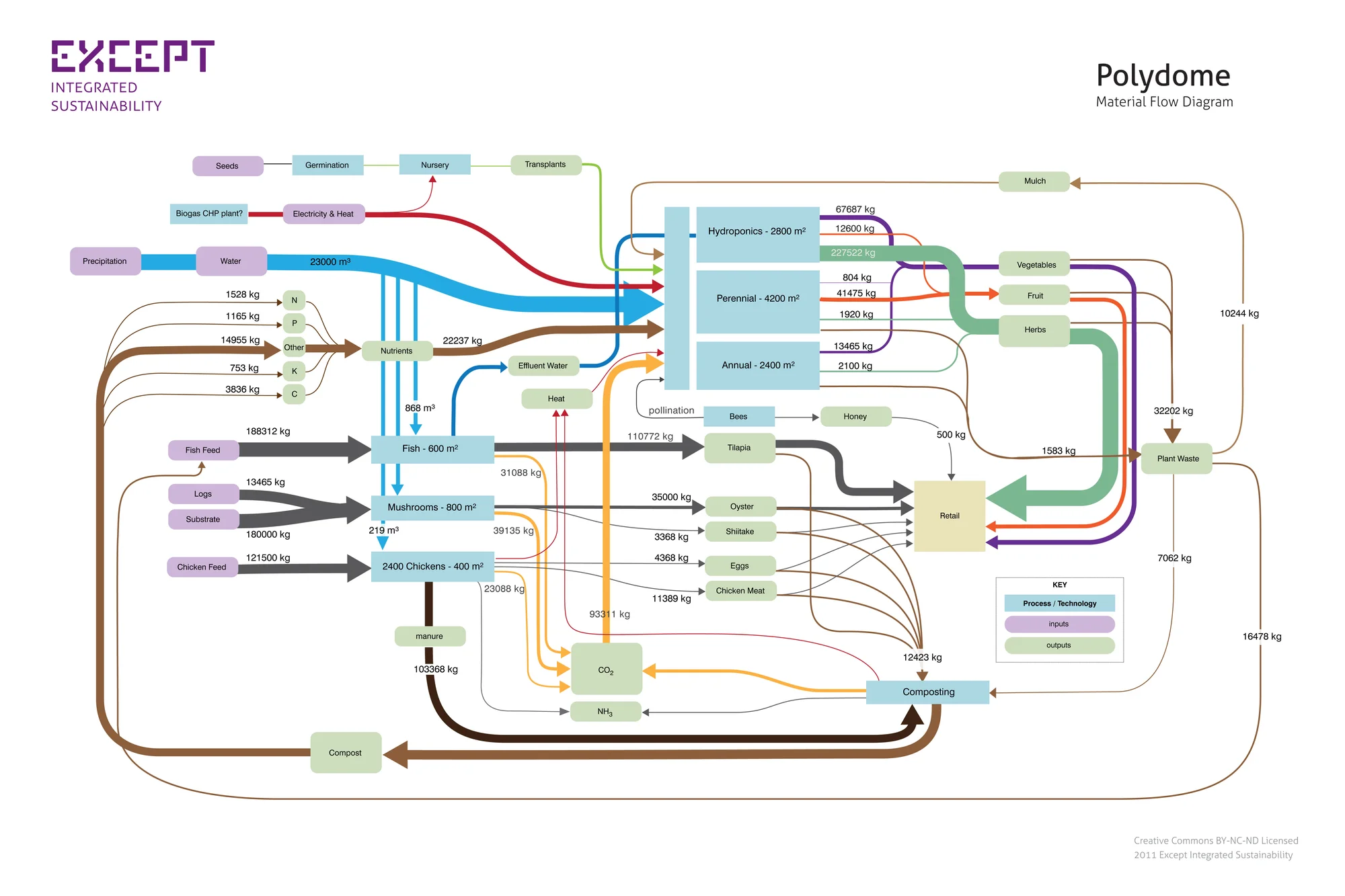
Circular and symbiotic systems
The aim is zero-waste operation. Plant waste is reused as mulch, compost and fish feed. Animal waste is processed into plant nutrient supplements. Mushroom cultivation, chickens and composting supply CO2 in place of generators or the combustion of fossil fuels.
Hydroponics cycle water efficiently, water treatment keeps use sparse, and passive design cycles water and air.
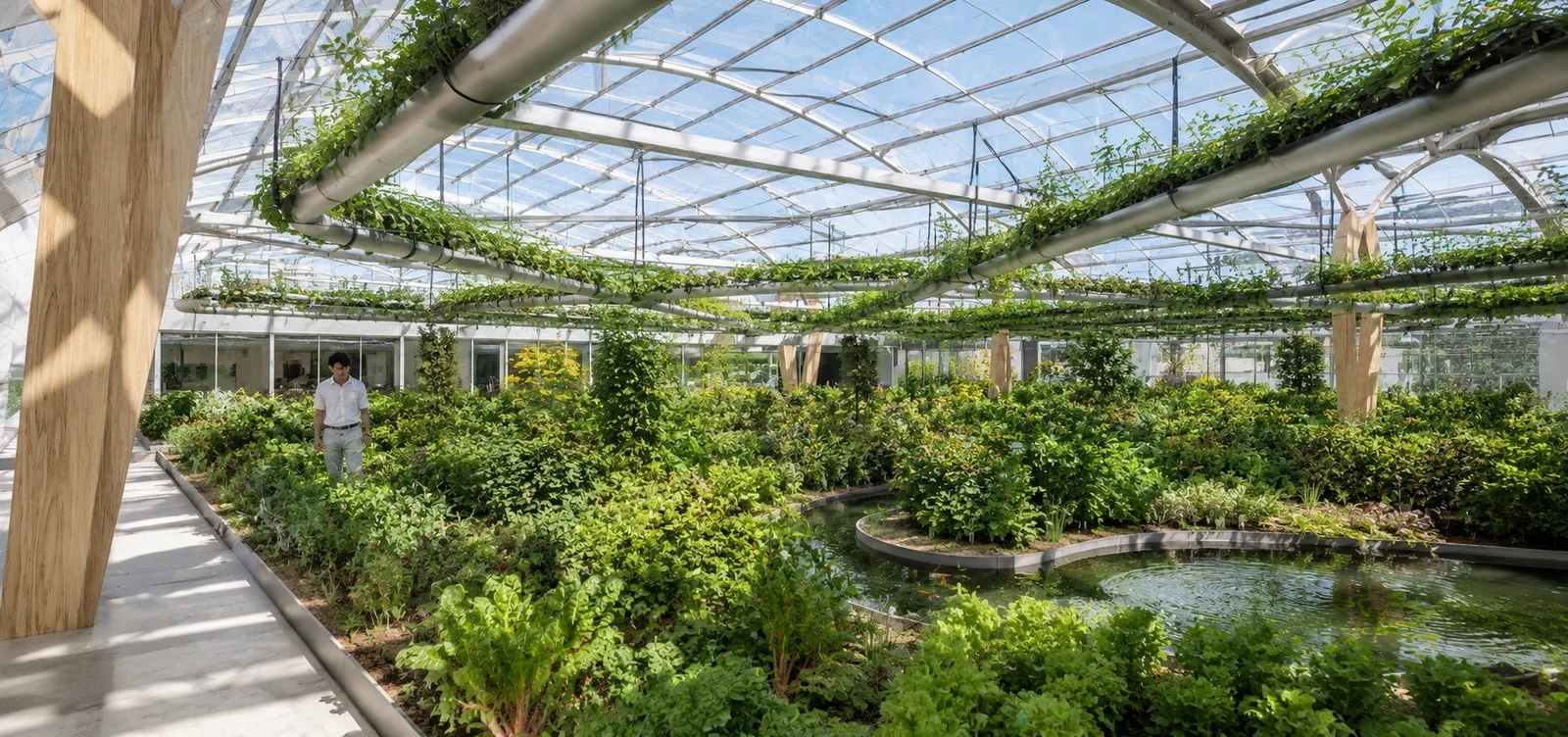
Smart design
Shade-loving plants are intercropped below plants with a high demand for direct sunlight, which replaces mechanical shading screens and benefits both. Mixed plant sizes mean roots reach varied soil depths: excess irrigation water is used at lower levels, and deep-rooted trees do not need constant irrigation.
The design allows temporal and spatial stacking, companion planting, and the layering of soil crops with hydroponically grown crops. It gives greater production density than any other cultivation method.
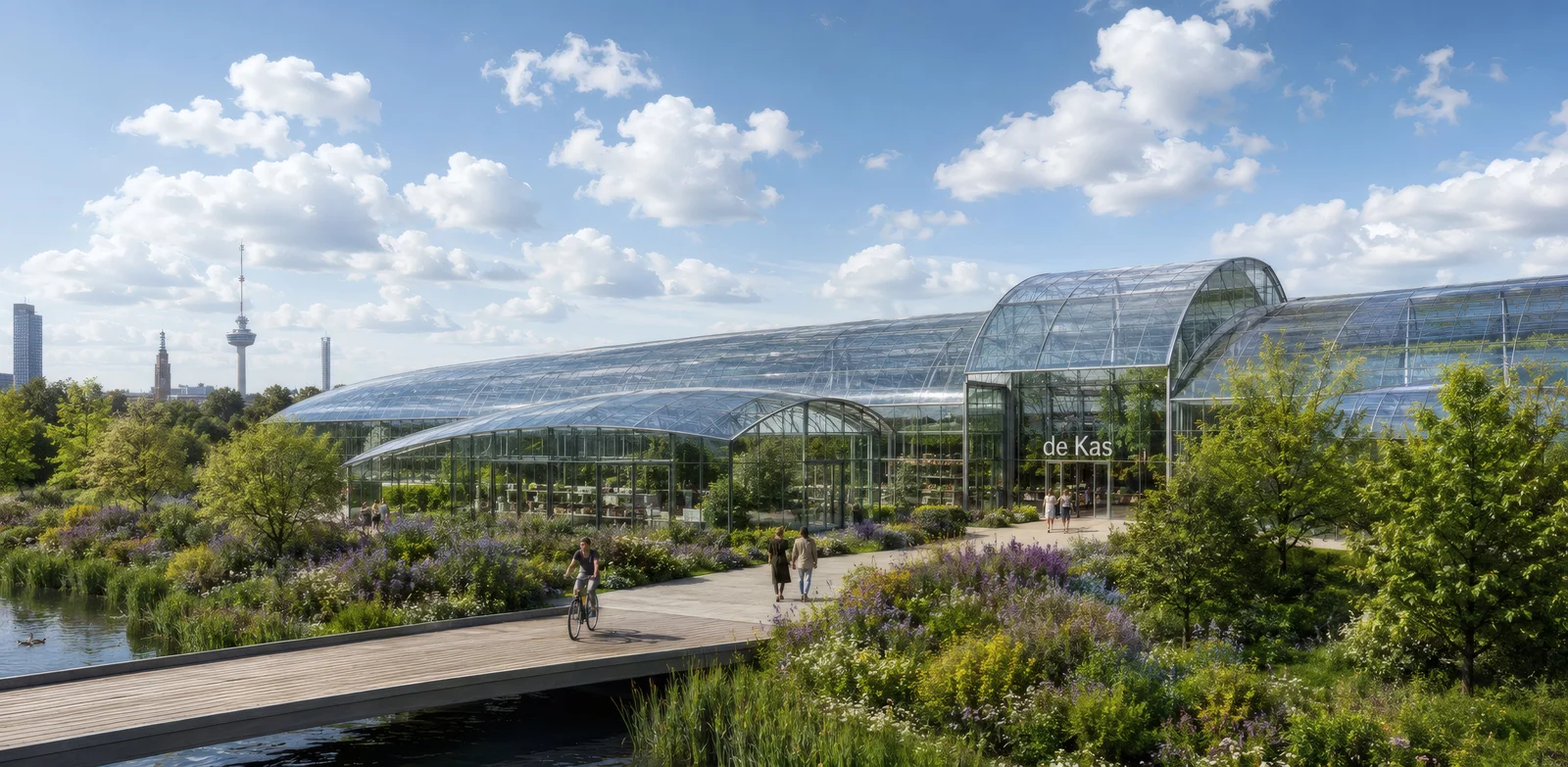
Cutting-edge technology
Aquaponics closes the loop between aquaculture and crops. LED lighting increases productivity while minimizing electricity use. A Polydome doubles as a living lab for agricultural innovations.
It can also be combined with an experience centre, educational programs, a food processing facility, restaurants, retail, even nursing homes.
More on the Polydome project
Maps, concept plans and the full project story live on the Except website.
Polydome at Except