
Projects
Polydome Arkna and the Arkna Eco-Park in Estonia.
Polydome Arkna
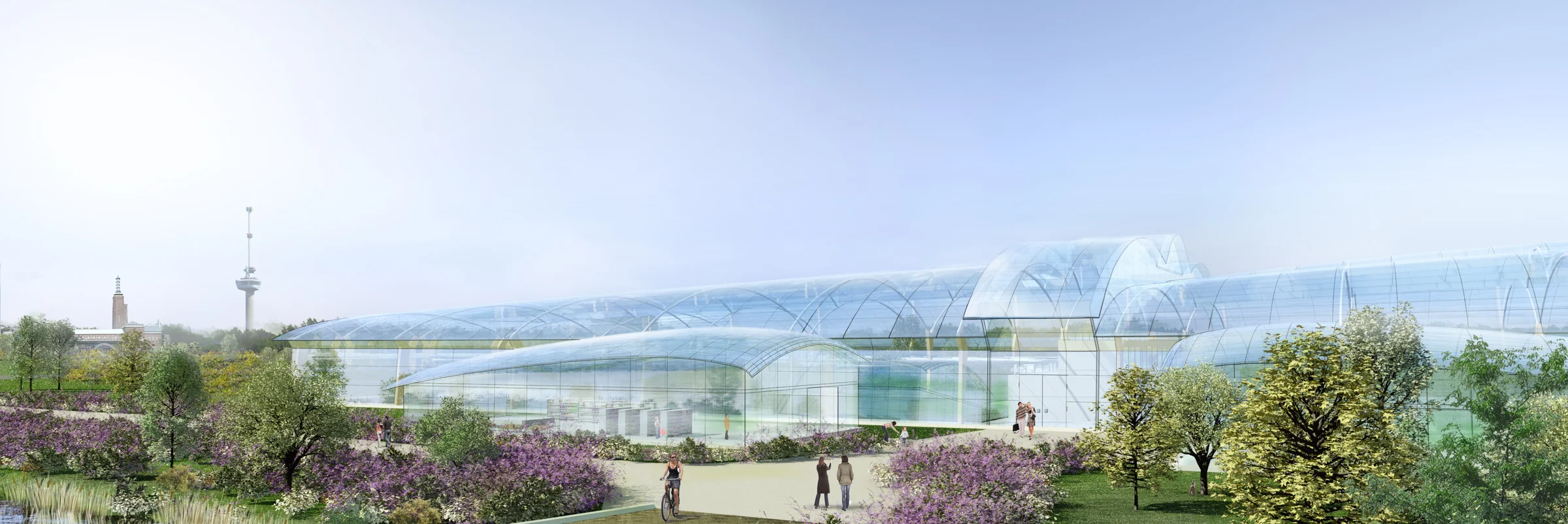
Will Estonia be the first country to own a Polydome sustainable agriculture system? During the second half of 2015 we researched the feasibility of a one-hectare Polydome in the Arkna Eco Park. The study and business plan were funded by Horizon 2020.
The business case focuses on selling fresh, local, organic food year-round. Demand in this market segment is steadily growing in Estonia, Estonians are willing to pay a premium for locally produced food, and competition for bio-local produce is low. Financial analysis shows that Polydome Arkna is financially feasible and economically viable, with return on investment in the sixth year of production.
Design of Polydome Arkna
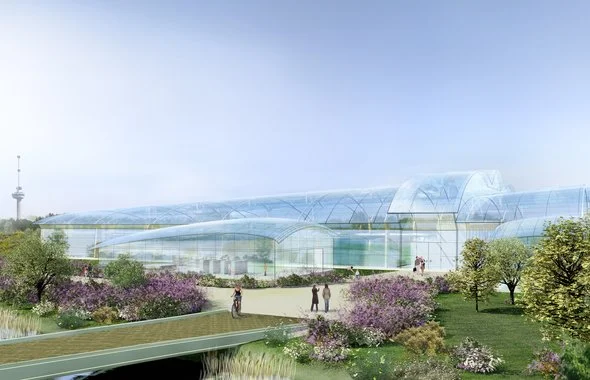
A standard Venlo-type greenhouse proved most practical. It has three levels, to give each tree and crop its optimal height. A visitors center and restaurant let visitors taste, buy and experience what Polydome offers.
The production ecosystem follows two principles: polyculture, a mix of crops and other species with symbiotic relationships that boost productivity, and closed energy and material flows, which allow both efficiency and organic production. The internal systems use readily available technologies from suppliers with a reliable reputation.
Eco-Park Arkna
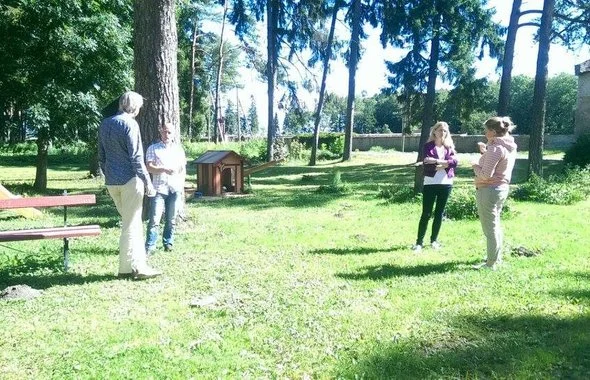
In Rakvere, Estonia, we developed the masterplan for the 671 hectare, self-reliant Arkna Eco-Park, on a historical site dating to 1527. It is intended to become the country's primary tourist destination, and it includes a Polydome system.
Except built the complete masterplan template: marketing strategy, identity, logos, brochures, closed-loop metabolism, food system, event program and design guidelines. The park includes a manor from 1879 restored as restaurant and hotel, a dairy farm, herb gardens, cheese making, a luxury spa, several hotels, camping and cultural activities.
The full Arkna business case
Financial feasibility, design and images on the Except website.
Polydome Arkna at Except